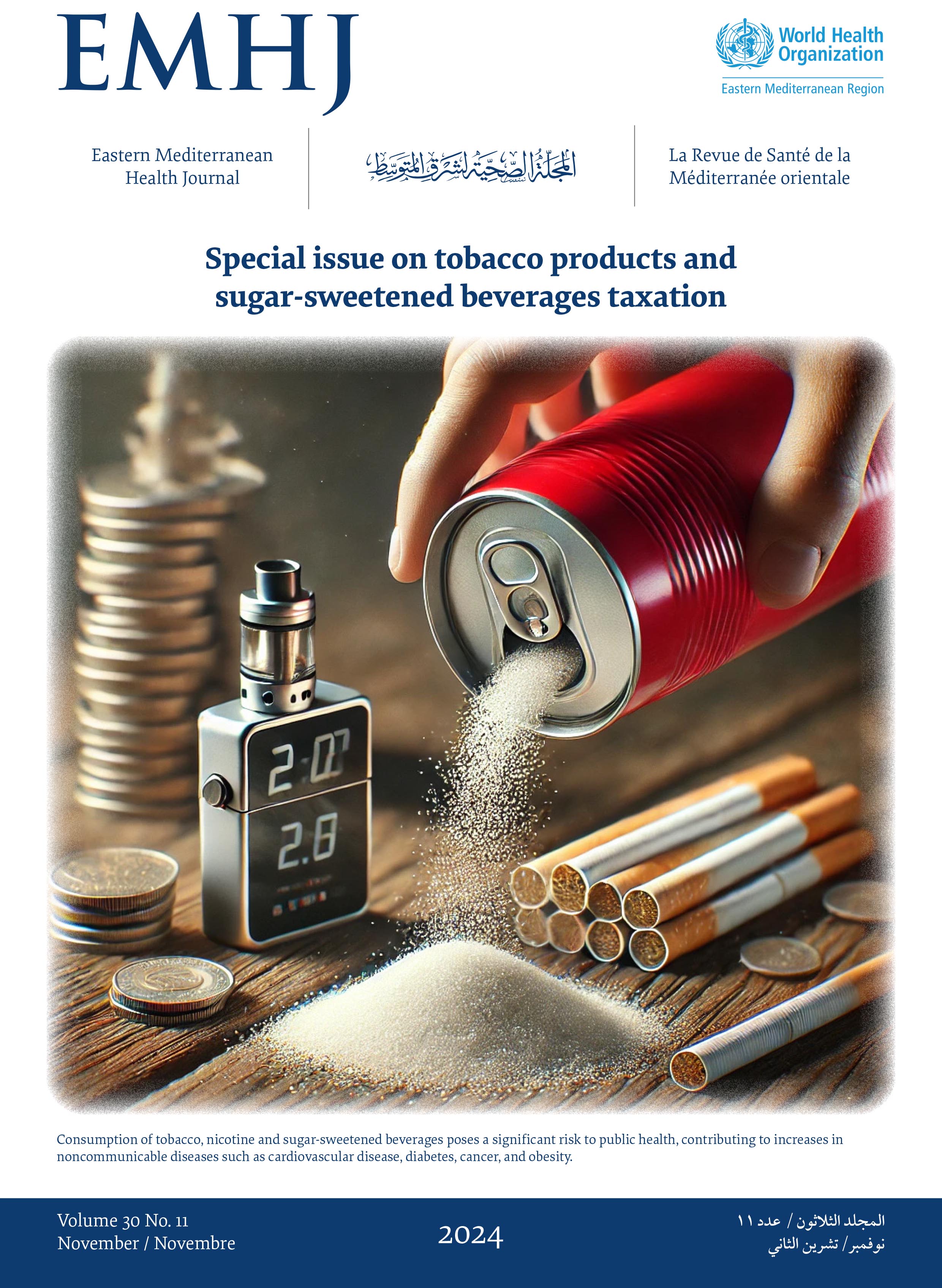
The research paper "Taxing Tobacco as a Strategy to Reduce Consumption and Increase Public Health Benefits in Pakistan" evaluates the effectiveness of tobacco taxation in curbing consumption and improving public health in Pakistan. The study highlights that despite Pakistan being a signatory to the WHO Framework Convention on Tobacco Control (FCTC), its taxation policies remain inadequate due to low tax rates, a complex multi-tiered tax structure, and industry interference. The findings suggest that increasing excise taxes on cigarettes to at least 75% of the retail price—as recommended by the WHO—could lead to a significant reduction in smoking prevalence, particularly among youth and low-income groups, while simultaneously increasing government revenue. The paper also examines the challenges of illicit trade and tax evasion, arguing that strengthened enforcement and tax simplification are crucial to countering industry manipulation. The study concludes that comprehensive tax reforms, coupled with strict policy enforcement, can significantly contribute to reducing tobacco-related diseases and mortality rates in Pakistan, making it a vital public health intervention.