Background
Tobacco taxation remains one of the most effective measures for reducing tobacco consumption, improving public health, and generating government revenue. However, Pakistan continues to face challenges in implementing a structured and research-based tobacco tax policy. The absence of a centralized knowledge-sharing platform has led to gaps in policy coordination, stakeholder engagement, and the adoption of international best practices. To address these challenges, the Tobacco Control Knowledge Hub is being launched as a dedicated platform for consolidating research, policy recommendations, and stakeholder collaboration. This initiative will be complemented by a Policy Dialogue on Tobacco Taxation, bringing together experts to discuss sustainable fiscal policies to curb tobacco use and protect public health. Pakistan’s tobacco taxation framework lacks consistency, often being influenced by short-term political and economic factors rather than evidence-based policymaking. The current two-tiered tax system allows the tobacco industry to manipulate pricing strategies, diminishing the intended impact of tax increases. Additionally, alternative tobacco products, such as Naswar, nicotine pouches, and e cigarettes, either remain untaxed or are subject to minimal taxation, creating loopholes that sustain tobacco consumption. Without a comprehensive and uniform taxation strategy, tobacco products continue to remain accessible, particularly to youth and low-income populations, who are most vulnerable to price-sensitive consumption behaviors.
Recent Developments
The urgency of reforming Pakistan’s tobacco taxation policy has been further heightened by recent proposals to reduce tobacco taxes as a short-term revenue measure. Facing a Rs606 billion shortfall in tax collection, the government has considered lowering tobacco tax rates to stimulate sales-driven revenue, aligning with broader fiscal measures to meet International Monetary Fund (IMF) requirements. While such measures may provide temporary economic relief, they pose serious risks to public health by making tobacco products more affordable and potentially increasing consumption. This highlights the pressing need for a research-backed, sustainable taxation framework that prioritizes health outcomes over short-term economic considerations. Effective tobacco taxation not only discourages consumption but also ensures long-term revenue growth without compromising public health objectives.
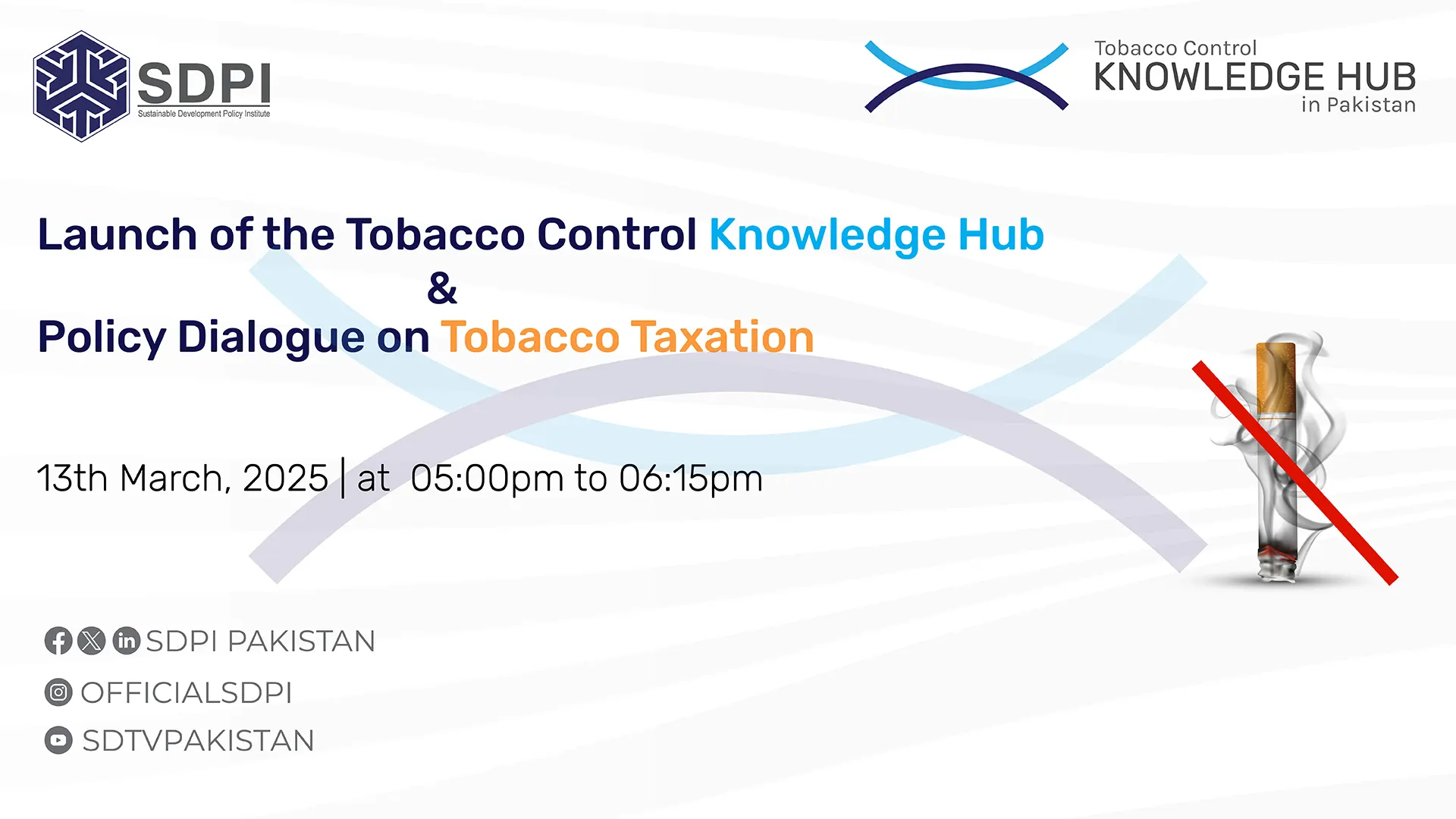
The Tobacco Control Knowledge Hub aims to bridge these gaps by serving as a centralized repository for data, research, and policy recommendations while fostering collaboration among government agencies, public health experts, economists, and civil society organizations, the Hub will play a crucial role in strengthening policy coherence and promoting evidence-based taxation reforms. This initiative aligns with Pakistan’s commitment to the WHO Framework Convention on Tobacco Control (FCTC) and the MPOWER framework, ensuring that national policies are rooted in global best practices.
Key Discussion Points
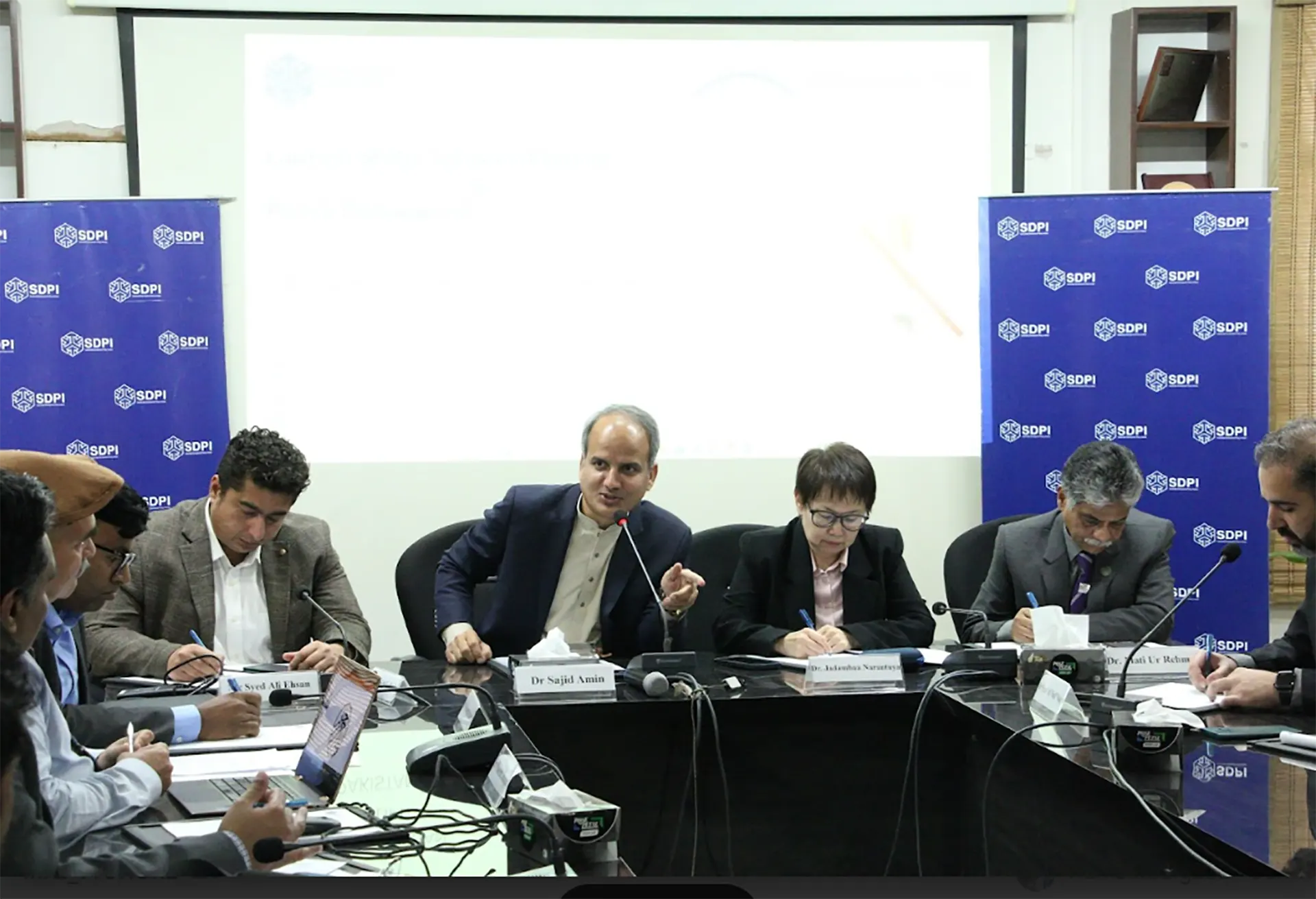
The panel discussions will address the following critical questions: What steps should Pakistan take to establish a long-term, research-driven tobacco taxation policy amid existing economic and political constraints? How can smokeless tobacco and alternative nicotine products be incorporated into the taxation framework to close regulatory loopholes? How can Pakistan adapt international best practices in tobacco taxation to optimize public health benefits and government revenue? What mechanisms can be developed to mitigate tobacco industry interference in tax policy decisions, particularly during budget cycles? How can the Tobacco Control Knowledge Hub facilitate collaboration between stakeholders and enhance policy coherence in tobacco control efforts? The launch of the Tobacco Control Knowledge Hub and the Policy Dialogue on Tobacco Taxation represents a significant step towards a structured, research-backed approach to tobacco control in Pakistan. By bringing together key stakeholders, this initiative aims to create momentum for long-term, progressive taxation policies that will safeguard public health while reinforcing Pakistan’s commitment to global tobacco control objectives.